

Laser Treatment for Hyperpigmentation: An Effective Skin Treatment for Glowing Skin
Healthy, glowing skin is something people usually strive for, but hyperpigmentation often stands in the way. It can be due to hormonal changes, prolonged sun exposure, scarring, or inflammatory illness. These stubborn dark spots can take a toll on your confidence and skin. However, the good news is that you do not need to deal with embarrassment and discomfort any longer. Laser treatment for hyperpigmentation is a good and reliable solution to deal with this skin issue. With the right laser treatment, hyperpigmentation can be reduced over time.
What is Hyperpigmentation?
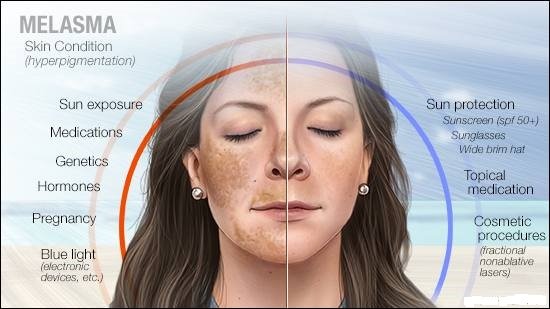
Hyperpigmentation is a common skin condition in which some areas become darker than the surrounding skin. Hyperpigmentation may appear as gray, black, brown, or red spots. These patches are sometimes called sun spots, age spots, or liver spots. The spots can emerge on one body area or all over. There are several factors that might influence melanin production in the body, such as inflammation, medications, hormonal changes, ultraviolet exposure, and genetics.
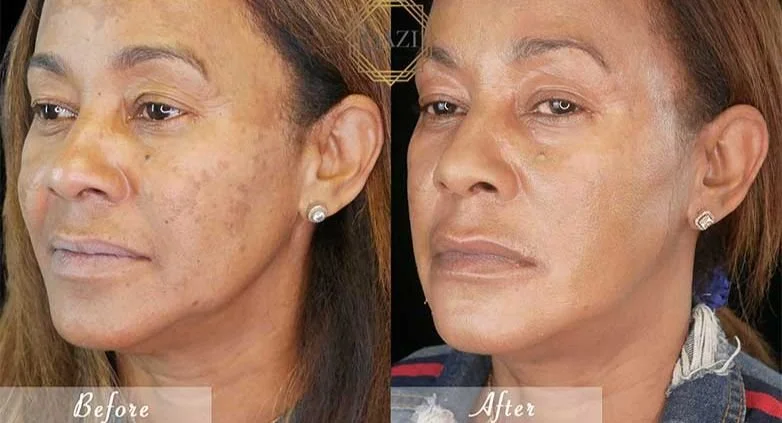
Laser for Dark Skin Hyperpigmentation
How Does Laser Treatment for Hyperpigmentation Work?
Laser treatment can be performed with various devices:
Ablative Laser: This technique uses a focused energy beam to remove the outer skin layer while heating the deeper layer beneath it. This skin laser treatment stimulates collagen growth – a protein that improves the texture and firmness of skin. As the area of treatment heals and skin regenerates, the treated area gets tighter and smoother. Some of the commonly used ablative lasers are erbium, carbon dioxide, and combination systems.
Non-ablative Laser: This technique also stimulates the growth of collagen, but it is less intensive than ablative laser treatment and involves a shorter recovery period. Two types of non-ablative treatments are intense pulsed light (IPL) and Erbium (Er:YAG).
Both methods can be performed with a fractional laser that produces microscopic columns of treated tissue. The advantages of using a fractional laser are that it reduces the occurrence of side effects and shortens recovery time. You would require more than one therapy session.
Safety Measures to Follow During Laser Treatment for Hyperpigmentation
You should follow certain safety measures while undergoing laser skin treatment for hyperpigmentation:
Have a very tan or brown skin.
Are you breastfeeding or pregnant?
Are you vulnerable to herpes virus infection or cold sores?
Have a history of a condition called ectropion (outward-turning eyelid).
Have a history of keloid scars.
Have taken isotretinoin medicine in the last one year.
Had laser resurfacing in the past one month.
How to Prepare Before the Laser Treatment for Hyperpigmentation?
Before your treatment, a member of the health and wellness team:
Asks Questions About Your Medical History. You will be asked questions about your present and past medical issues and any medications you are currently taking. You also may be inquired about your previous cosmetic procedures and how your skin reacts to sun exposure.
Conducts a Physical Examination. The treatment area and your skin will be examined by an expert before the therapy. This would allow the changes that might be possible, and how your skin features and type can affect the outcome of treatment. The examination will also find out the risk of adverse effects.
Before skin laser treatment, you may also need to:
Stop smoking. You have to discontinue smoking or stop smoking at least one week before and after the treatment. This would avoid side effects and help the body to heal.
Avoid unprotected sun exposure. Excessive sun exposure for up to two months before the treatment might cause permanent skin colour changes in treated areas. Avoid going in direct sunlight for an extended duration.
What to Expect During Laser Therapy for Hyperpigmentation?
The care team member will numb your skin with medicine. For whole face treatment, your care team member may give you medication to help you feel relaxed. This process is called sedation. During the procedure of ablative laser resurfacing, a concentrated laser beam is applied to the skin. This beam removes the skin’s outer layer, known as the epidermis. Simultaneously, the laser heats the deeper layer of skin, known as the dermis. This triggers gradual production of collagen, resulting in even-toned, smoother skin.
Ablative laser resurfacing usually takes between thirty minutes and two hours, based on the technique used and treatment area size. When performed without a fractional laser, this method generally needs one treatment. On the other hand, if you are undergoing non-ablative laser skin treatment, you would probably require two to four treatments planned over weeks.
What to Expect After Laser Therapy for Hyperpigmentation?
Once ablative laser resurfacing is complete, the treated skin will swell and become itchy. The skin might also change colour. A thick ointment will be applied on the treated area, and the healthcare member will cover the treated skin with a watertight and airtight dressing. You might use ice packs and take medication to reduce mild pain. Usually, the new skin forms over the area in one week, with full recovery taking at least one month.
During recovery time, avoid potential skin irritants such as cosmetics, and stay away from environments that increase the risk of infection, including public whirlpools. Once laser therapy for hyperpigmentation is complete, use sun protection creams for better results. Non-ablative laser resurfacing involves minimal downtime and a short recovery period. The skin might change colour or be swollen for a few hours. Ice packs can be used as needed, and routine skincare and daily activities can be resumed right away.
Results to Expect After Laser Therapy for Hyperpigmentation
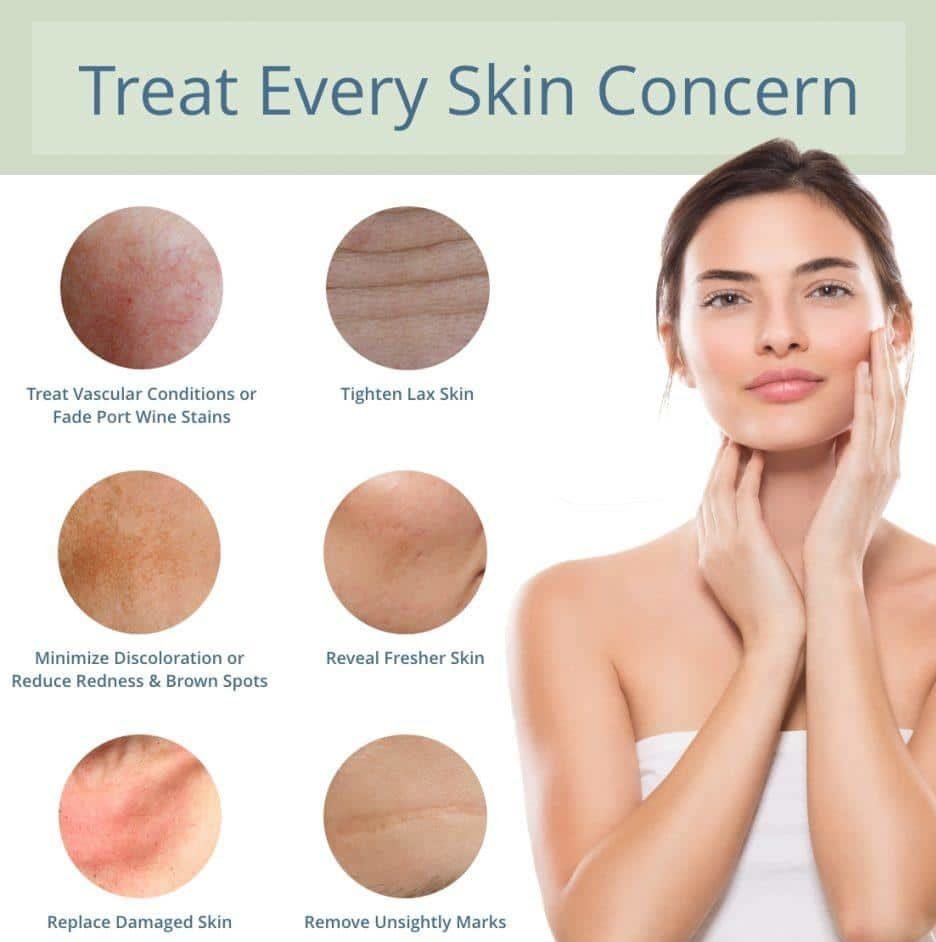
Once the treated area starts healing, you will notice improvements in your skin’s appearance and feel compared to its condition before treatment. The effects might last for years. The results of non-ablative laser resurfacing appear gradually and improve over time. You would notice improved skin colour and texture instead of the smoothing of wrinkles.
With fractional ablative and fractional non-ablative procedures, you will need two to four treatments to experience noticeable results. As you age, expression lines from smiling and squinting may continue to appear. Subsequent sun exposure can reverse the improvements achieved from treatment. Keep your skin moisturized and apply a sunscreen with SPF 30 or higher. Tinted sunscreens with titanium dioxide and iron oxide are useful for individuals with brown or black skin.
Conclusion:
Restore a brighter, even complexion with laser treatment for hyperpigmentation in Kingston, Ontario, at FAM Medical Aesthetics. This advanced treatment targets discoloration, sun spots, unwanted pigmentation while promoting healthier skin. With effective laser therapy for hyperpigmentation in Kingston, Ontario, at FAM Medical Aesthetics, you will experience minimal downtime, natural-looking results, coupled with smoother, more radiant skin.
