

What You Should Know About the Benefits and Side Effects of Neuromodulator Injections?
As people age, their skin loses elasticity, and they begin to develop sagging skin, wrinkles, and fine lines. Although aging is a natural part of life, it does not mean you cannot take steps to reduce its visible signs and maintain a youthful look. With the help of neuromodulator injections – a popular cosmetic treatment - you can rejuvenate your skin. Neuromodulators such as Botox and Xeomin have gained widespread popularity for their ability to reduce fine lines, wrinkles, and other signs of aging.
What Are Neuromodulator Injections?
Neuromodulators are injectable products made from Botulinum toxin type A. When these products are injected into particular muscles, they temporarily inhibit the nerve signals from triggering muscle contractions. This mechanism relaxes the muscles, which in turn, reduces the fine lines and wrinkles caused by repetitive facial movements like squinting, smiling, or frowning. The most common injectable neuromodulators used by people are:
Botox: It has been in constant use across the world for medical and cosmetic purposes since it was approved in 2002 by the U.S. FDA.
Xeomin: It is a purified form of botulinum toxin type A that does not include any added proteins. Xeomin is often used by people who have become less responsive to Botox.
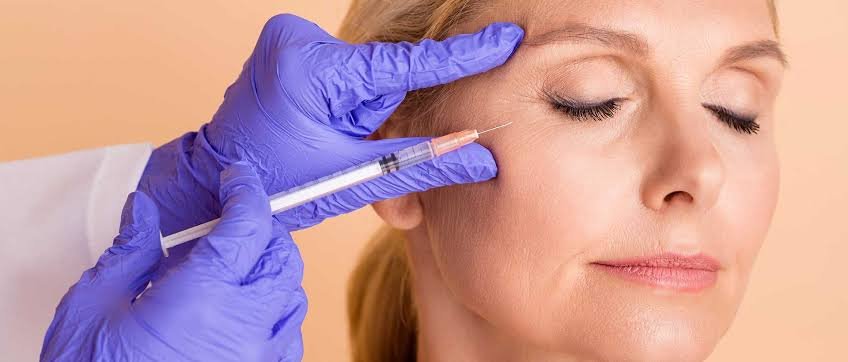
Injectable Neuromodulators
How Do Neuromodulator Injections Work?
Neuromodulators temporarily decrease the activity of targeted muscles by relaxing or paralyzing them. When injected into targeted facial muscles, neuromodulators temporarily ease the activity of the muscles responsible for dynamic wrinkles, such as those formed by repeated eyebrow movement or frowning, resulting in smoother skin.
Within 3 to 7 days after neuromodulation treatment, you will begin to notice some improvements, and you will usually see the full effect two weeks later. Generally, results last 3 to 6 months, depending upon individual metabolism, muscle strength, and dosage. Though the effects may be temporary, regular treatments can increase the longevity of a youthful appearance.
Benefits of Neuromodulation Treatment
While many people think that neuromodulators are just meant for wrinkle reduction, their benefits extend beyond cosmetic improvements. Some of the key advantages of neuromodulation treatment are:
Medical Care and Treatment: Apart from treating conditions like overactive bladders, chronic migraines, TMJ disorders, and excessive sweating, neuromodulators are also administered to people who suffer from chronic migraines. They target and relax the muscles responsible for these issues.
Neuromodulators for Wrinkles: Xeomin or Botox can prevent the spreading of wrinkles and fine lines over time. These products reduce the appearance of wrinkles and fine lines.
Minimal Downtime and Quick Procedure: The treatments usually take 10 to 30 minutes, depending on the specific areas being treated. You can resume your daily activities after the procedure with minimal discomfort. Moreover, anesthesia is not required for the treatment.
Natural-Looking Results: You will experience subtle improvements after the treatment and won't look overly done. Your skin will look youthful and refreshed after a few days of the session.
Common Side Effects of Neuromodulation Treatment
Most people tolerate neuromodulators well. The adverse effects that occur are often short-lived and mild. Some of the common side effects are:
Headache: Some people experience a minor headache during the first 24 hours after treatment. However, this issue resolves after one or two days. People who report headaches often do not experience the same issue at future appointments.
Injection Site Reactions: Small bruises, mild swelling, redness, and tenderness at the injection area are the common reported reactions. These reactions arise due to the needle penetrating the skin. The reactions occur with any injectable neuromodulators and generally resolve within a few hours or days.
Temporary Weakness in Surrounding Muscles: Neuromodulators can spread to the nearby muscles from the injection site. As a result, muscles close to the treated area might experience temporary weakness. This spread and weakness are a normal effect of the medication and resolve fully over the following days or weeks.
Eyelid Drooping: Drooping of the upper eyelid (eyelid ptosis) is a common complication associated with neuromodulator injections. The condition occurs when the injected medicine flows to the levator palpebrae superioris. This is the muscle that lifts the upper eyelid. Remember that the drooping usually subsides within a few weeks as the effects of the neuromodulator wear off.
Eyebrow Drooping: If the frontalis muscle – the muscle that lifts the brow – is over-relaxed, the brows might appear lower than usual. People with heavier brow tissue or low-set brows are more vulnerable to eyebrow drooping. Nevertheless, the clinician will assess baseline brow position before the treatment and will adjust the dose to preserve adequate muscle function so that the brows remain in a comfortable position.
