

Understanding Microneedling for Hyperpigmentation
Hyperpigmentation develops from increased activity of melanocytes, the cells responsible for producing pigment. When these pigment-producing cells become very active, they produce and leave behind concentrated areas of excess melanin, resulting in dark patches that can be challenging to reduce. However, microneedling for hyperpigmentation can help deal with dark spots, wrinkles, acne, or skin trauma.
The main types of hyperpigmentation that may benefit from microneedling treatment include:
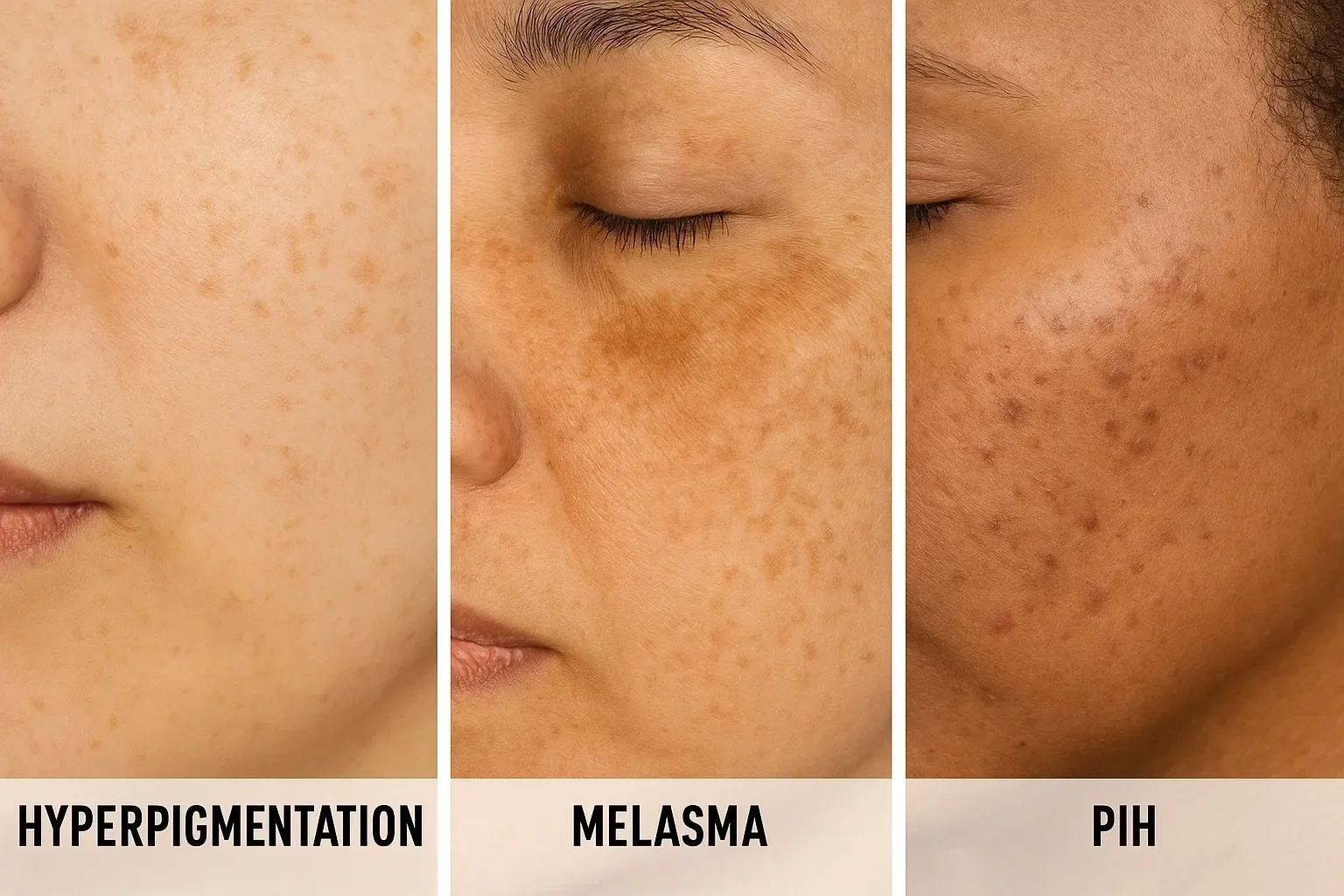
Melasma – discoloration triggered by hormonal changes, often affecting the forehead, cheeks, or upper lip.
Sun-induced dyschromia – dark spots, age spots, and damage from repeated UV exposure.
Post-inflammatory hyperpigmentation (PIH) – dark patches left behind after injuries, acne, or skin trauma.
What is Microneedling Treatment and its Biological Impact on Pigmentation?
During microneedling, fine needles penetrate the skin to specific depths, creating precise micro-injuries that stimulate the body's natural healing response. When the tiny needles puncture the skin, multiple things happen:
Epidermal cell turnover increases, promoting the faster emergence of new skin cells.
Growth factors are released, stimulating tissue remodeling and collagen production.
Cytokines, which act as the body's chemical messengers, rapidly move to the treatment area.
Faster cell turnover can help reduce the appearance of dark spots by moving pigmented cells to the surface more quickly. Ongoing collagen remodeling helps mitigate skin texture irregularities that make pigmentation more visible. Moreover, needle penetration depth also plays an important role in treatment results. Deeper treatments ranging from 1.5 – 2mm reach the dermis and may interrupt pigment-producing cells in ways that are difficult to predict. Shallow treatments ranging from 0.5-1mm mainly target the epidermis, where excess pigment is located.
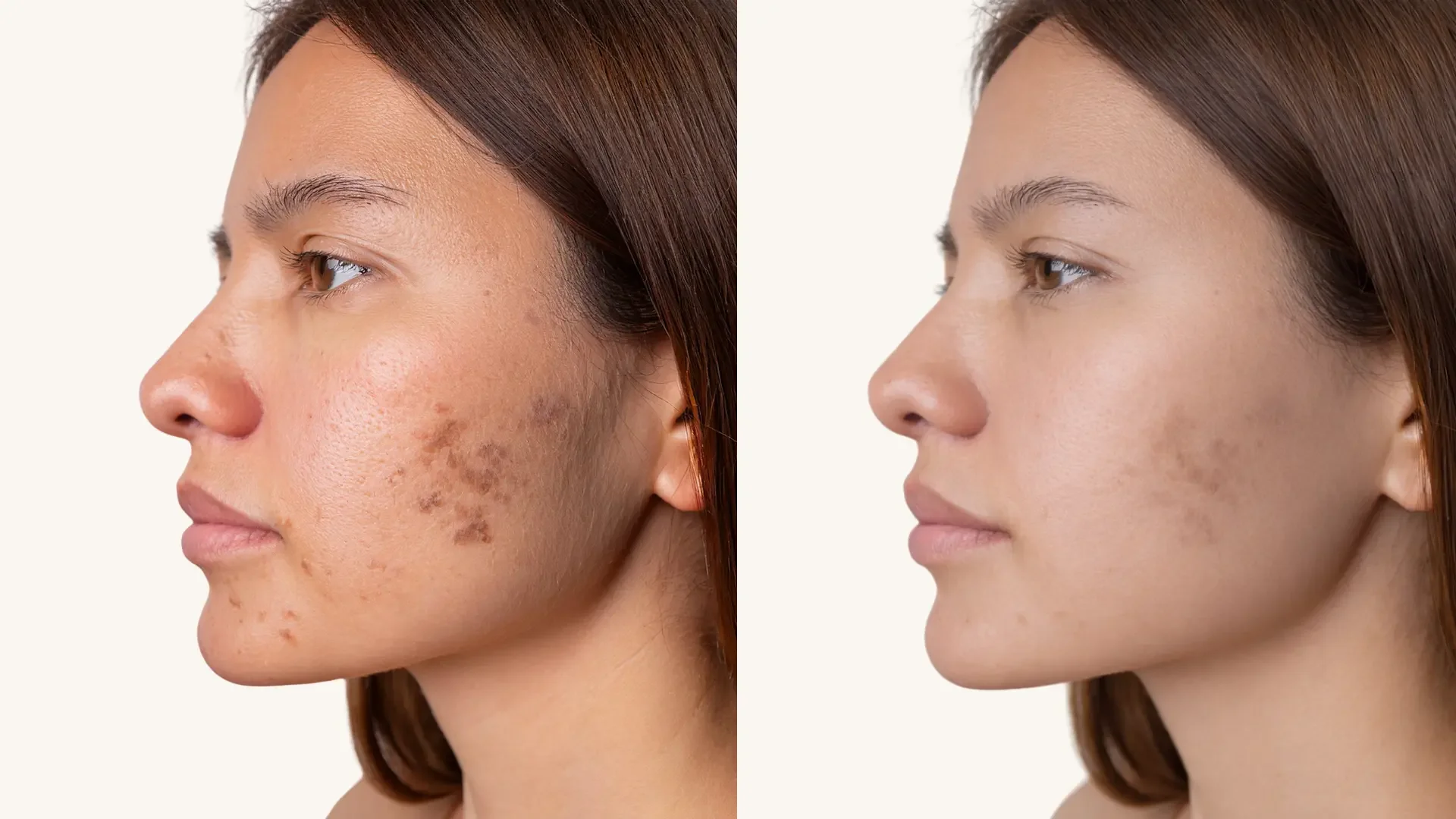
Microneedling Before & After Skin Texture Improvement
How Effective is Microneedling for Hyperpigmentation?
Clinical studies indicate that when several factors match properly, the microneedling procedure can help improve the occurrence of post-inflammatory hyperpigmentation:
Treatment sessions are properly spaced (generally 4 to 6 weeks apart)
Needle depth is controlled carefully (usually 0.5-1mm for pigmentation issues).
Sun-protection guidelines must be followed before and after microneedling
After treatment, skincare should focus on strengthening the skin barrier instead of using strong active ingredients.
What microneedling therapy excels at improving:
Mild post-inflammatory hyperpigmentation caused by minor injuries or acne
Uneven skin texture that makes pigmentation more visible
Improves skin tone uniformity by enhancing cell turnover
What microneedling procedure does not do:
Provide instant results (progress is gradual and might take weeks to months to become apparent)
Bleach pigment directly
Destroy melanocytes
The evidence indicates that microneedling is ideal for post-inflammatory hyperpigmentation, specifically, showing a gradual reduction in dark spots across multiple sessions with consistent skincare support. However, results vary depending upon skin tone, pigment depth, and individual healing responses. Clinical research shows that people with lighter skin tone (Fitzpatrick types I-III) often experience more reliable improvements than people with darker skin, but this doesn’t suggest that darker skin cannot benefit.
Hyperpigmentation Before and After in Dark Skin: Essential Safety Considerations
Microneedling might carry a greater risk of new pigmentation in people with darker skin tones, but these individuals can still achieve safe results when treatment is planned and carried out in an appropriate way.
For Fitzpatrick IV-VI skin types, the key difference lies not in whether to perform microneedling therapy – it's how:
Shallow-depth treatment protocols:
Prioritizing improvement of skin texture over aggressive remodeling
Never going by the assumption that deeper penetration improves pigmentation results
Beginning with shallower depths (0.5-1.0mm) and progressing gradually based on skin tolerance
Extended gap between sessions:
Ensuring post-treatment erythema has completely resolved before beginning with the next microneedling session
6 to 8 weeks minimum spacing between treatments (vs four weeks for lighter skin)
Discontinuing treatment after fewer sessions when signs of skin reactivity occur
Strict sun avoidance:
Physical protection from sunlight (seeking shade, hats)
Apply SPF 50+ sunscreen daily, even when staying indoors
Whenever possible, taking treatment during periods of lower ultraviolet exposure
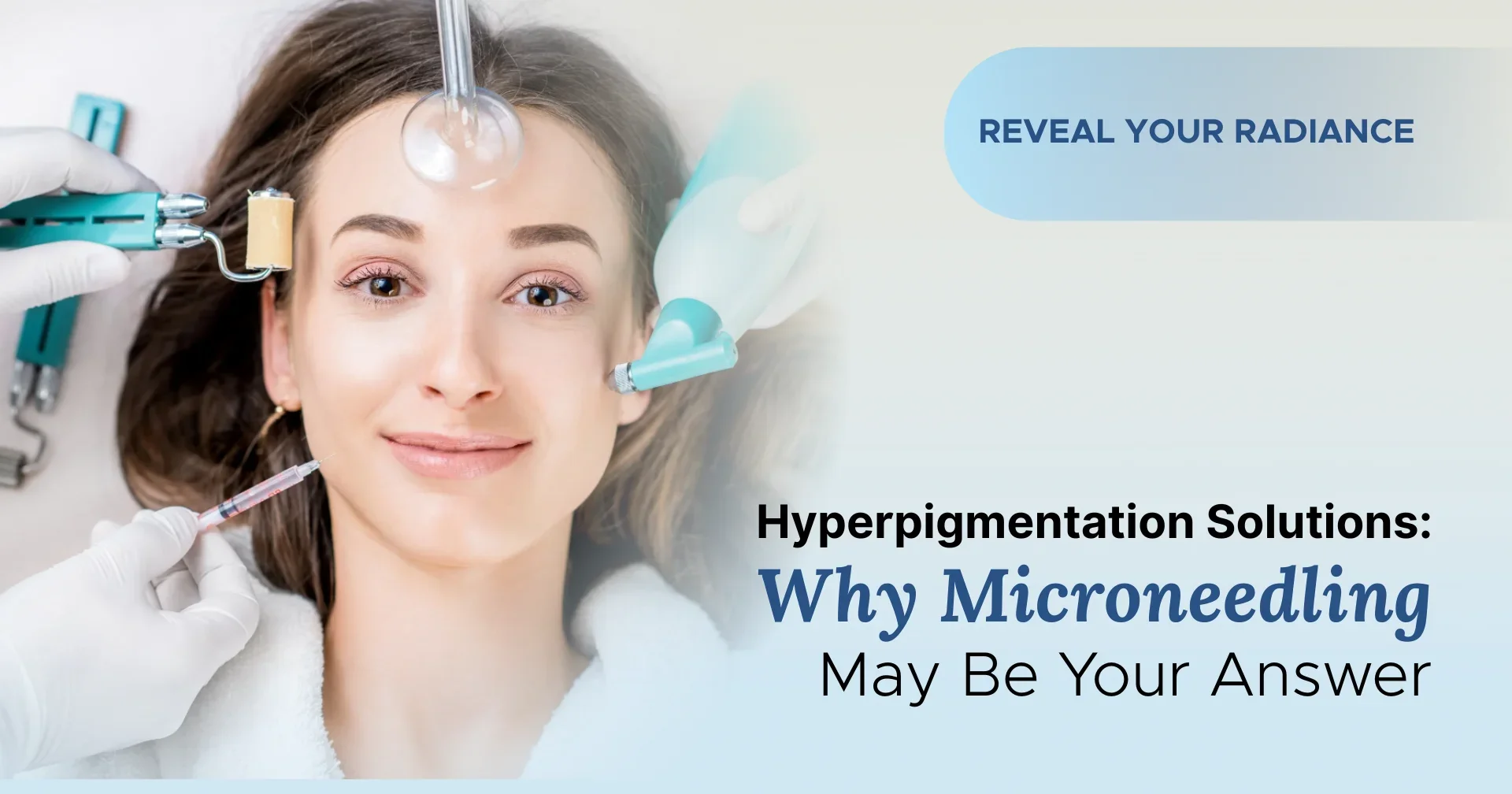
What to Do Before Microneedling Treatment: Preparation for Optimal Results
People usually pay attention to the treatment and its aftermath. But clinicians know that adequate preparation before treatment determines whether hyperpigmentation improves or worsens.
Pre-Treatment Assessment:
Active Inflammation Check – Do not microneedle eczema flares, overactive acne, or other inflammatory skin conditions.
Skin Barrier Status – A compromised skin barrier can increase inflammation risk. If the skin is already dehydrated, sensitized, or irritated, you should not go ahead with the microneedling procedure.
Sun Exposure History – Tanning or recent sunburn suggests that melanocytes are already highly active. No treatment should be performed at this point.
Why does pre-treatment care play a more important role in pigmentation than in wrinkle treatment?
When treating skin texture and wrinkles, some redness and inflammation are expected and, in fact, desirable – it points to collagen remodeling. However, for pigmentation, this same inflammation can be detrimental. Any factor that escalates inflammatory response may increase the likelihood of dark spots forming or worsening.
Some experts advise a ‘priming’ period using gentle ingredients that support the skin barrier prior to microneedling. While priming protocols differ, the goal remains the same: to optimize skin health and minimize reactivity before intentional injury.
Microneedling for Hyperpigmentation: What to Expect
Hours to 48 hours After Treatment:
Pigment might look darker at first due to inflammation and oxidation
Increased melanocyte stimulation during the acute inflammatory phase
Skin feels tight, sensitive, and potentially warm to touch
Immediate erythema – completely normal
What supports recovery during this period:
Strict sun avoidance
No vitamin C, acids, and retinoids for the time being
Cool compresses to mitigate discomfort
Gentle moisturizers with peptides and ceramides to support barrier recovery
Days 3 to 7:
Temporary darkening might remain or even intensify, which is a normal PIH response
Light peeling or flaking as cell turnover increases
Erythema begins to fade
Weeks 2 to 4:
Initial evaluation of pigmentation can be made
If darkness remains over four weeks without improvement, reevaluate treatment technique/depth
New skin develops with improved texture
Weeks 4 to 8:
Some areas might improve while others may lag
Steady improvement in the visibility of dark spots in responsive cases
Pigmentation changes begin to show
